

Yes. Most RV’s come with carbon monoxide and propane leak detectors installed. Test detectors yearly and replace every 5–7 years.
Replacing an RV carbon monoxide (CO) detector involves several steps, and it’s important to use a detector specifically approved for RV use due to the varying temperatures and conditions found in recreational vehicles. Most hardwired RV CO detectors have a useful life of about five years and should be replaced when they reach the end of their lifespan, indicated by a chirping sound or a flashing light pattern. For example, a detector that flashes two red lights may signal it has reached the end of its life and needs replacement.
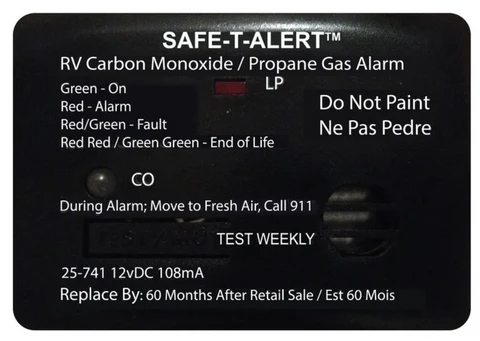
To begin the replacement process, first ensure the power is off. Remove the faceplate of the old detector, which is typically secured with screws. You will find the detector is hardwired into the RV’s 12-volt electrical system, usually connected with two wires (positive and negative) and sometimes a ground wire. Carefully disconnect the wires from the old unit, noting their color and connection points to ensure correct reconnection. Some models may have a third or fourth wire connected to a solenoid valve that shuts off propane during an alarm; if your system has this, ensure the replacement detector is compatible.
Next, connect the new detector using the same wiring method. Use crimp connectors, wire nuts, or WAGO lever nuts for secure connections, and insulate all splices with electrical tape for safety. If the new detector does not have a plug, you may need to splice the wires from the old detector into the new one. After wiring, mount the new detector using the original screws and ensure it is securely fastened.
Once installed, test the new detector by pressing the test button. It should emit an audible alarm and display a red light, indicating it is functioning correctly. A blinking green light may indicate the unit is initializing, and a steady green light means it is ready for operation. It is recommended to test all safety devices, including CO and propane detectors, before each trip to ensure they are working properly.
When selecting a replacement, choose a model that is RV-approved and compatible with your RV’s electrical system. Popular options include the Safe-T-Alert Series 35 or MTI 25-742 models, which are commonly used in RVs. Always refer to the manufacturer’s instructions for specific installation and testing procedures. If you are unsure about the wiring or compatibility, contacting the manufacturer or consulting a professional is advised.